

خطيب المسجد الحرام: تزودوا من دنياكم لآخرتكم وخذوا من صحتكم لمرضكم – أخبار السعودية

أوصى إمام وخطيب المسجد الحرام الشيخ الدكتور عبدالله بن عواد الجهني، المسلمين بتقوى الله عز وجل، واعتماد الصدق في الأقوال والأعمال والأحوال، ومحاسبة النفس قبل يوم الحساب، وتدبر ما يُتلى من الكتاب، فإن الله عز وجل أثنى على الذين يصلون ما أمر الله به أن يوصل.
وقال في خطبة الجمعة التي ألقاها اليوم بالمسجد الحرام: (لقد دعاكم الله إلى الجنات، فأين المستجيبون؟ وأثنى على هذه الأعمال وأهلها، فأين العاملون؟ ألا وإن الذين يصلون ما أمر الله به أن يوصل هم الذين بالله مؤمنون، وللرسول صلى الله عليه وعلى آله وسلم، وبما جاء عنه يصدقون، وللأعمال الصالحات يعملون، ويخشون ربهم ويخافون، ويرهبون سوء الحساب ويحذرون، يصلون ما أمر الله به من الصبر على الطاعات، ويصابرون النفوس ويجاهدونها على ترك المحرمات، ويصلون القرابات والأرحام، ويحسنون إلى الفقراء والجيران والأيتام، ويبرُّون الأمهات والآباء، ويتبرَّؤون من المنكرات والفحشاء، ويأمرون بالمعروف، وينهون عن المنكر، ويذكرون الله كثيرًا، ولذِكرُ اللهِ أكبر).
قال العلامة السعدي -رحمه الله تعالى-: (وهذا عامٌّ في كل ما أمر الله بوصله؛ من الإيمان به وبرسوله صلى الله عليه وعلى آله وسلم، ومحبته، ومحبة رسوله صلى الله عليه وعلى آله وسلم، والانقياد لعبادته وحده لا شريك له، ولطاعة رسوله صلى الله عليه وعلى آله وسلم؛ ويصلون آباءهم وأمهاتهم ببرِّهم بالقول والفعل، وعدم عقوقهم، ويصلون الأقارب والأرحام بالإحسان إليهم قولًا وفعلًا، ويصلون ما بينهم وبين الأزواج والأصحاب بأداء حقوقهم كاملةً موفَّرةً من الحقوق الدينية والدنيوية).
وبيّن أن السبب الذي يجعل العبد واصلًا ما أمر الله به أن يوصل هو خشية الله وخوف يوم الحساب، ولهذا قال: «وَيَخْشَوْنَ رَبَّهُمْ»، أي: يخافونه، فيمنعهم خوفهم منه، ومن القدوم عليه يوم الحساب، أن يتجرؤوا على معاصي الله، أو يقصروا في شيء مما أمر الله به، خوفًا من العقاب ورجاءً للثواب، محذرًا من حسرة الفوت بالموت، وأن لا يكونوا كالذين ذهبوا وصحائفهم بالذنوب مسودة، غرَّهم الأملُ والتسويفُ، ولو راقبوا الجزاءَ لأعدُّوا له عُدَّةً، سائلًا الله تعالى أن يطهرنا من دنس الآثام، وأن يغفر لنا ما اقترفناه من الذنوب العظام.
وأوصى إمام وخطيب المسجد الحرام المسلمين أن يصلوا الذي بينهم وبين ربهم بكثرة ذكره وشكره، وبكثرة الصدقة، والتزود من الدنيا للآخرة، والأخذ من الصحة للمرض، ومن الفراغ للشغل، ومن الغنى للفقر، ومن الأمن للخوف، ومن الفرح للحزن، فإن الأمور لا تدوم على وتيرة واحدة، فكثيرًا ما تتغير الأحوال بضدها، ﴿وَتِلْكَ الْأَيَّامُ نُدَاوِلُهَا بَيْنَ النَّاسِ﴾، وأن يسألوا الله العون والهداية والتوفيق والسداد، فكل الأمور بيده، وليس بيد العبد إلا فعل الأسباب، والإكثار من دعاء الله واستغفاره والالتجاء إليه، والتقرب إلى الله بطاعته وطاعة رسوله صلى الله عليه وعلى آله وسلم تسليمًا كثيرًا.
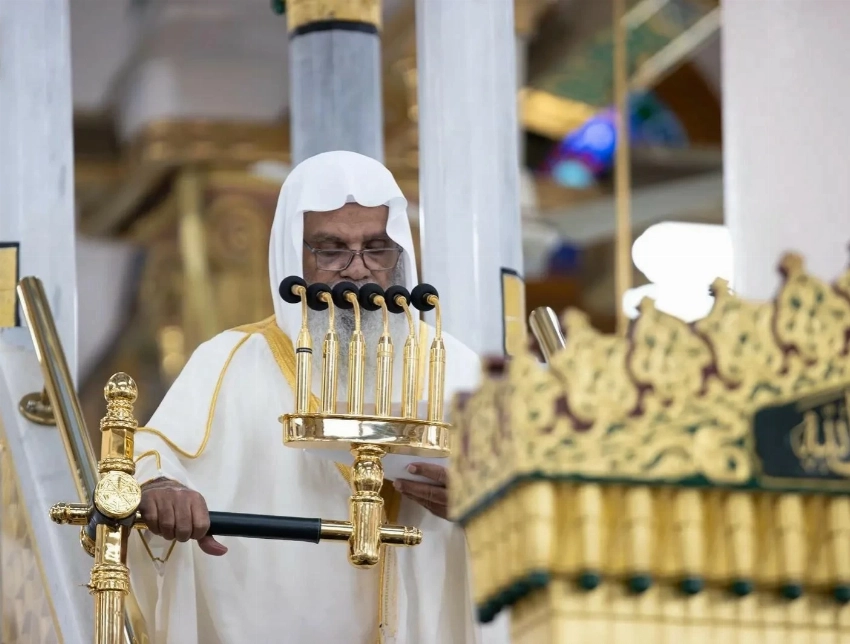
كما تحدث إمام وخطيب المسجد النبوي الشيخ الدكتور علي بن عبدالرحمن الحذيفي عن وصية من وصايا النبي -صلى الله عليه وسلم- جمعت العديد من النصائح والأحكام التي نصت عليها شرائع الدين، داعيًا العباد إلى اتباع ما أمر الله به من قول وعمل، واجتناب نواهيه، والإيمان بقضائه وقدره.
وأورد في خطبة الجمعة من المسجد النبوي اليوم وصية رسول الله -صلى الله عليه وسلم- لعبدالله ابن عباس رضي الله عنه، بقوله عليه الصلاة والسلام: «يا غلام إني أعلمك كلمات احفظ الله يحفظك، احفظ الله تجده تجاهك، إذا سألت فاسأل الله وإذا استعنت فاستعن بالله واعلم أن الأمة لو اجتمعوا على أن ينفعوك بشيء لم ينفعوك إلا بشيء قد كتبه الله لك، وإن اجتمعوا على أن يضروك بشيء لم يضروك إلا بشيء قد كتبه الله عليك، رفعت الأقلام وجفت الصحف»، رواه الترمذي وقال حديث حسن صحيح.
وأوضح الشيخ علي الحذيفي أن هذه الوصية من جوامع الكلم التي اشتملت على أصول عظيمة من العقيدة، والعبادة، والتوكل على الله، مبينًا أن معنى حفظ الله يتمثل في المحافظة على أوامره، واجتناب نواهيه، وتعظيم حدوده، وأن جزاء ذلك حفظ الله لعبده في دينه ودنياه وآخرته، وفي نفسه وذريته، مستشهدًا بقوله تعالى: «مَنْ عَمِلَ صَالِحًا مِّن ذَكَرٍ أَوْ أُنثَى وَهُوَ مُؤْمِنٌ فَلَنُحْيِيَنَّهُ حَيَوَةً طَيِّبَةً وَلَنَجْزِيَنَّهُمْ أَجْرَهُم بِأَحْسَنِ مَا كَانُوا يَعْمَلُونَ»، وقوله تعالى «وَمَن يَتَّقِ اللَّهَ يَجْعَل لَّهُ مَخْرَجًا وَيَرْزُقْهُ مِنْ حَيْثُ لَا يَحْتَسِبُ».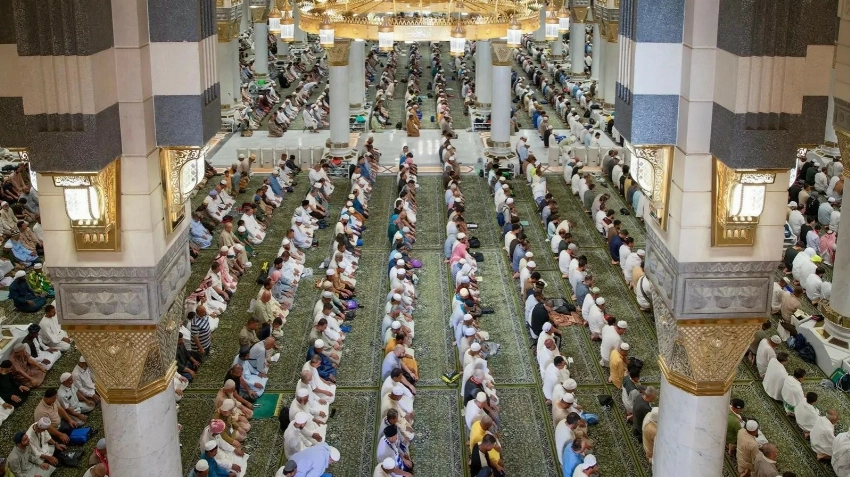
ومضى إمام وخطيب المسجد النبوي مذكرًا بمضامين تلك الوصية، موضحًا أنها تبين ما أعده الله لأهل التقوى والطاعة من الحياة الطيبة، وسعة الرزق، والتيسير، وحسن العاقبة، مشيرًا إلى أن صلاح الآباء سببٌ في حفظ الأبناء ورعايتهم، كما دلّت عليه قصة الغلامين اليتيمين في سورة الكهف، مؤكدًا أن تقوى الله سببٌ لحفظ الذرية، واستقامة الأحوال، وأن السلف الصالح كانوا يحرصون على زيادة أعمالهم الصالحة رجاء أن يحفظ الله أبناءهم من بعدهم.
وأكد الشيخ الحذيفي أن الشريعة حثت على المحافظة على العبادات العظيمة، وفي مقدمتها الصلاة، مبينًا أن المحافظة عليها بأركانها وشروطها وخشوعها تعين على المحافظة على بقية أركان الإسلام وسائر الطاعات، كما دعا إلى حفظ الجوارح، وغضّ البصر، وصيانة الفروج، والتمسك بالآداب الشرعية، امتثالًا لأوامر الله ورسوله -صلى الله عليه وسلم-. مضيفًا أن قوله عليه الصلاة والسلام: «احفظ الله تجده تجاهك» يدل على معية الله الخاصة لعباده المؤمنين بالرعاية، والتوفيق، والنصر، والإعانة، وأن ما يصيب المؤمن من بلاء يكون رفعة في درجاته، وتكفيرًا لسيئاته إذا قابله بالصبر والاحتساب.
وأوضح أن المسلم مأمورٌ بأن يجعل سؤاله واستعانته بالله وحده، فهو سبحانه مالك الضر والنفع، وبيده خزائن السماوات والأرض، فمن استعان بمخلوق فيما لا يقدر عليه إلا الله فقد أشرك بالله في العبادة.
وأشار إلى أن قوله -صلى الله عليه وسلم-: «رُفعت الأقلام وجفت الصحف» يؤكد الإيمان بالقضاء والقدر، وأن ما قدره الله واقع لا محالة، وأن المؤمن يجمع مع ذلك بين الأخذ بالأسباب والتوكل على الله، مستشهدًا بما جاء في الحديث من اقتران النصر بالصبر، والفرج بالكرب، واليسر بالعسر، وما دلت عليه الآيات الكريمة من وعد الله بالتيسير بعد الشدة.
واختتم الخطبة مذكرًا أن هذه الوصية النبوية جمعت أعمال القلوب والجوارح، وأن الفوز كل الفوز في العمل بها والتمسك بما تضمنته من الإيمان، والتوكل، وحفظ حدود الله، سائلًا الله أن يوفق المسلمين لطاعته والثبات على دينه.
The Imam and preacher of the Grand Mosque, Sheikh Dr. Abdullah bin Awad Al-Juhani, advised Muslims to fear Allah Almighty, to rely on truthfulness in words, actions, and states, to hold themselves accountable before the Day of Judgment, and to reflect on what is recited from the Book, for Allah Almighty praised those who maintain what He has commanded to be maintained.
He said in the Friday sermon delivered today at the Grand Mosque: (Indeed, Allah has called you to Paradise, so where are the responders? And He praised these deeds and their people, so where are the doers? Indeed, those who maintain what Allah has commanded to be maintained are those who believe in Allah, and in the Messenger, peace be upon him and his family, and they believe in what has come from him, and they perform righteous deeds, and they fear their Lord and are cautious, and they dread the evil of the reckoning and take heed. They maintain what Allah has commanded of patience in obedience, and they strive against their souls to abandon the prohibitions, and they maintain ties of kinship and family, and they do good to the poor, neighbors, and orphans, and they honor their mothers and fathers, and they disassociate themselves from immoralities and indecencies, and they enjoin what is right and forbid what is wrong, and they remember Allah often, and the remembrance of Allah is the greatest).
The scholar Al-Sa’di – may Allah have mercy on him – said: (This is general for everything that Allah has commanded to be maintained; from belief in Him and His Messenger, peace be upon him and his family, and loving Him, and loving His Messenger, peace be upon him and his family, and submitting to His worship alone without partners, and obeying His Messenger, peace be upon him and his family; and they maintain their fathers and mothers by being dutiful to them in word and deed, and not being disobedient to them, and they maintain their relatives and kin by doing good to them in word and deed, and they maintain what is between them and their spouses and friends by fulfilling their rights completely and adequately from both religious and worldly rights).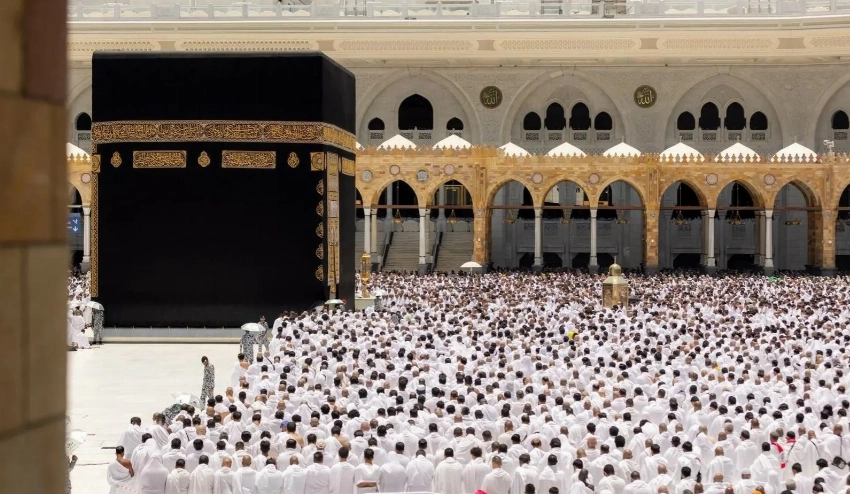
He clarified that the reason which makes a servant maintain what Allah has commanded to be maintained is the fear of Allah and the fear of the Day of Judgment. For this reason, he said: “And they fear their Lord,” meaning: they fear Him, and their fear of Him, and of approaching Him on the Day of Judgment, prevents them from daring to commit the disobedience of Allah, or from neglecting anything that Allah has commanded, out of fear of punishment and hope for reward, warning against the regret of missing out through death, and that they should not be like those who went forth with their records stained with sins, deceived by hope and procrastination. If they had monitored the reward, they would have prepared for it, asking Allah Almighty to purify us from the filth of sins, and to forgive us for the great sins we have committed.
The Imam and preacher of the Grand Mosque advised Muslims to maintain the connection between them and their Lord by frequently remembering and thanking Him, by giving charity abundantly, and by preparing for the Hereafter from this world, and taking from health for sickness, from leisure for work, from wealth for poverty, from security for fear, and from joy for sadness, for matters do not remain consistent, as conditions often change to their opposites, ﴿And those days We alternate among the people﴾, and to ask Allah for help, guidance, success, and correctness, for all matters are in His hands, and the servant has only to act upon the means, and to increase in supplicating to Allah, seeking His forgiveness, turning to Him, and drawing closer to Allah through obedience to Him and to His Messenger, peace be upon him and his family, with abundant peace.
Sheikh Dr. Ali bin Abdulrahman Al-Hudhaifi, the Imam and preacher of the Prophet’s Mosque, also spoke about a recommendation from the recommendations of the Prophet – peace be upon him – which encompasses many pieces of advice and rulings stipulated by the laws of religion, calling the servants to follow what Allah has commanded in word and deed, to avoid His prohibitions, and to believe in His decree and predestination.
In the Friday sermon from the Prophet’s Mosque today, he mentioned the advice of the Messenger of Allah – peace be upon him – to Abdullah bin Abbas, may Allah be pleased with him, saying: “O boy, I will teach you some words: Preserve Allah, and He will preserve you; preserve Allah, and you will find Him before you. If you ask, ask Allah, and if you seek help, seek help from Allah. And know that if the nation were to gather to benefit you with something, they would not benefit you except with something that Allah has already written for you. And if they were to gather to harm you with something, they would not harm you except with something that Allah has already written upon you. The pens have been lifted, and the pages have dried,” narrated by Al-Tirmidhi and said to be a good and authentic hadith.
Sheikh Ali Al-Hudhaifi explained that this advice is among the concise words that include great principles of faith, worship, and reliance on Allah, indicating that the meaning of preserving Allah is represented in maintaining His commands, avoiding His prohibitions, and honoring His limits, and that the reward for this is Allah’s preservation of His servant in his religion, worldly life, and the Hereafter, in himself and his offspring, citing His saying: “Whoever does a righteous deed, whether male or female, while he is a believer, We will surely give him a good life, and We will surely give them their reward according to the best of what they used to do,” and His saying: “And whoever fears Allah, He will make for him a way out and provide for him from where he does not expect.”
The Imam and preacher of the Prophet’s Mosque continued to remind of the implications of that advice, clarifying that it indicates what Allah has prepared for the people of piety and obedience from a good life, abundant provision, ease, and a good outcome, pointing out that the righteousness of the parents is a reason for the preservation and care of the children, as indicated by the story of the two orphan boys in Surah Al-Kahf, emphasizing that the piety of Allah is a reason for the preservation of offspring and the rectitude of conditions, and that the righteous predecessors were keen to increase their good deeds in hopes that Allah would preserve their children after them.
Sheikh Al-Hudhaifi affirmed that the Sharia encourages the preservation of great acts of worship, foremost among them prayer, indicating that maintaining it with its pillars, conditions, and humility helps in maintaining the other pillars of Islam and all acts of obedience. He also called for preserving the limbs, lowering the gaze, safeguarding the private parts, and adhering to the legal etiquettes, in compliance with the commands of Allah and His Messenger – peace be upon him. Adding that his saying: “Preserve Allah, and you will find Him before you” indicates Allah’s special companionship for His believing servants with care, success, victory, and assistance, and that what befalls the believer from affliction is an elevation in his ranks and an expiation for his sins if he meets it with patience and seeking reward.
He clarified that the Muslim is commanded to make his asking and seeking help solely from Allah, for He is the Owner of harm and benefit, and in His hand are the treasures of the heavens and the earth. Whoever seeks help from a creature in matters that only Allah can handle has associated partners with Allah in worship.
He pointed out that his saying – peace be upon him -: “The pens have been lifted, and the pages have dried” confirms faith in divine decree and predestination, and that what Allah has decreed will inevitably occur, and that the believer combines between taking the means and relying on Allah, citing what has come in the hadith about the connection between victory and patience, relief and distress, ease and hardship, and what the noble verses indicate about Allah’s promise of ease after hardship.
He concluded the sermon by reminding that this prophetic advice encompasses the actions of the hearts and limbs, and that success lies in acting upon it and adhering to what it contains of faith, reliance, and preserving the limits of Allah, asking Allah to grant Muslims success in obeying Him and steadfastness in His religion.