
عبدالله صالح كامل من إسطنبول: أدعو الدول لاتباع خطوات المملكة في تمكين الأوقاف – أخبار السعودية

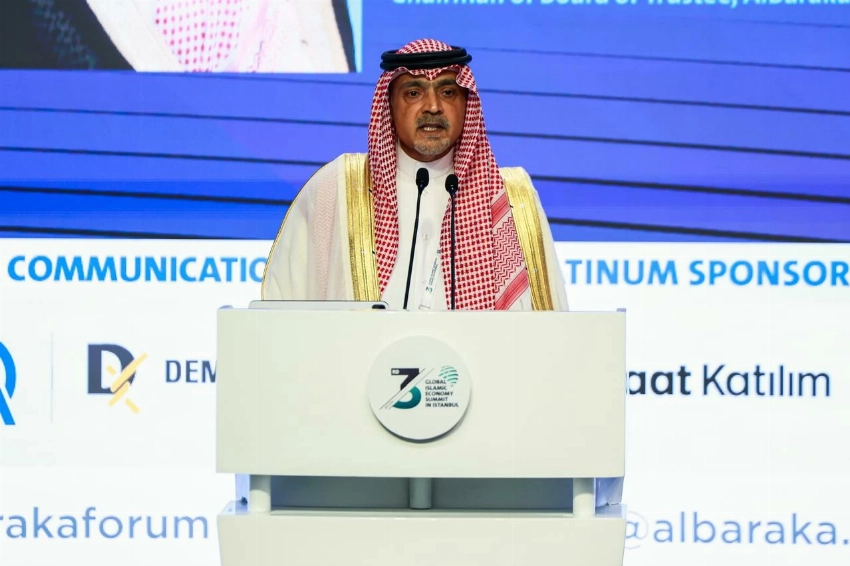
دعا رئيس اتحاد الغرف السعودية رئيس الغرفة الإسلامية للتجارة والتنمية عبدالله صالح كامل إلى الاقتداء بتجربة المملكة العربية السعودية في تمكين الوقف وتعزيز دوره التنموي، مؤكداً أن الأوقاف تمثل أحد أهم أدوات بناء الثروة المستدامة وتحقيق التنمية الشاملة.
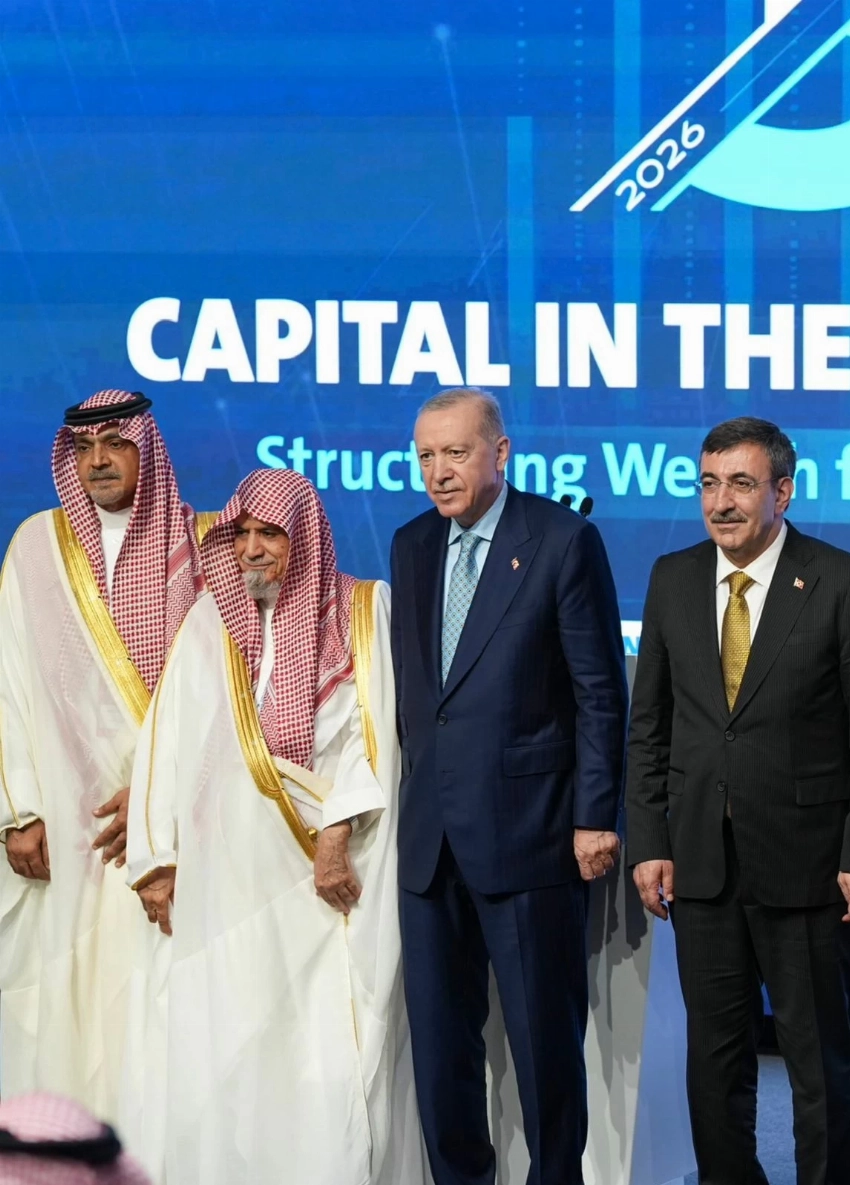
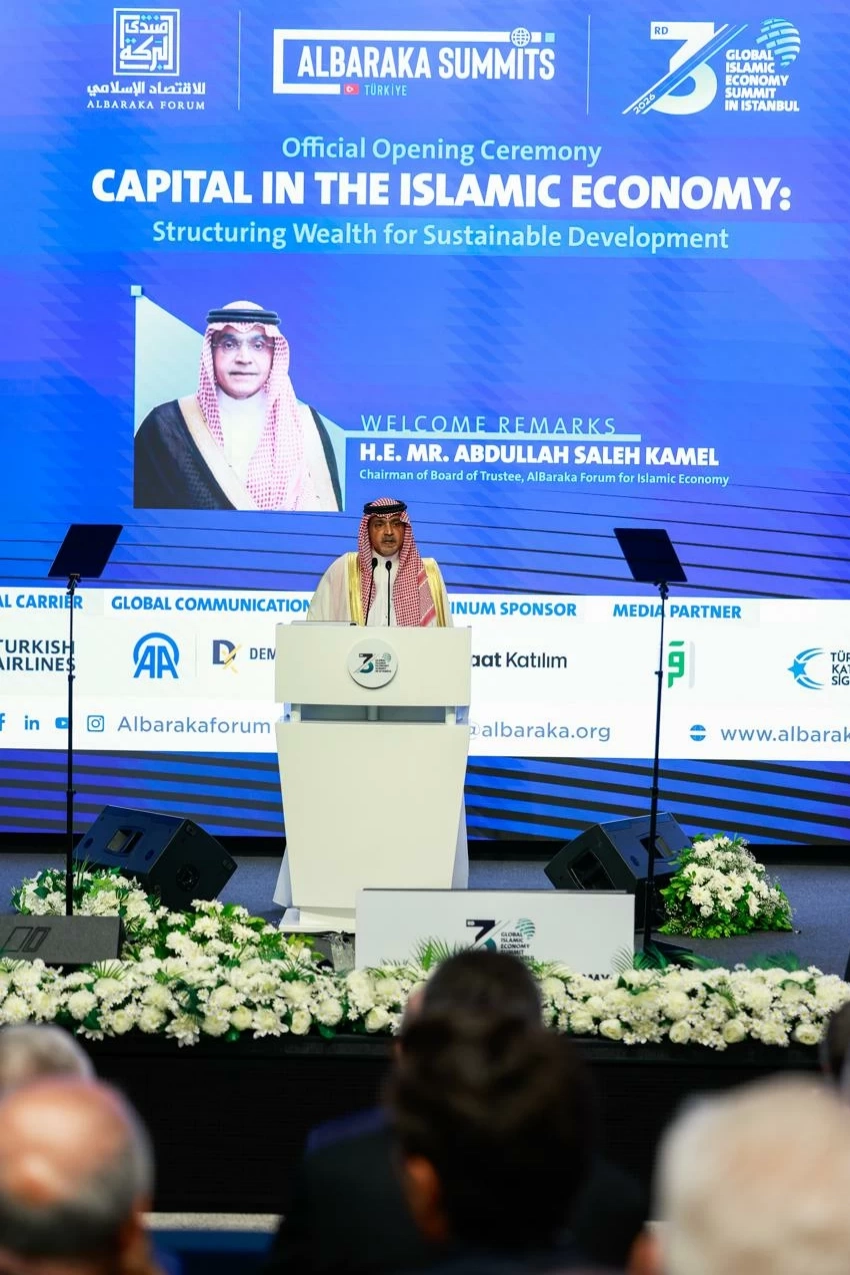
جاء ذلك خلال كلمته في الافتتاح الرسمي للقمة العالمية الثالثة للاقتصاد الإسلامي، التي ينظمها منتدى البركة للاقتصاد الإسلامي في إسطنبول تحت شعار «رأس المال في الاقتصاد الإسلامي: هيكلة الثروة من أجل التنمية المستدامة»، برعاية وحضور رجب طيب أردوغان.
المملكة نموذج يُحتذى في تمكين الوقف
وأوضح الشيخ عبدالله صالح كامل، رئيس مجلس أمناء منتدى البركة للاقتصاد الإسلامي، أن الدول التي تعمل على تمكين الوقف عبر أنظمتها وتشريعاتها، وفي مقدمتها المملكة العربية السعودية وتركيا وماليزيا، تستحق أن تكون نماذج يُحتذى بها، مشيراً إلى أن الحضارة الإسلامية يمكن وصفها بأنها «حضارة الوقف» لما أداه هذا القطاع من دور محوري في بناء الحضارة الإسلامية عبر قرون طويلة.
ودعا المشاركين إلى التأمل في قدرة الوقف الإسلامي على حشد الرساميل وتوجيهها نحو استثمارات ذات أثر تنموي واجتماعي مستدام.
الاقتصاد الإسلامي.. أمل لمعالجة الاختلالات العالمية
وأكد أن الحاجة إلى مثل هذه القمم تتزايد عاماً بعد عام، في ظل التحديات الاقتصادية العالمية، معتبراً أن الاقتصاد الإسلامي يمثل أحد أبرز مواطن الأمل لمعالجة الاختلالات التي يعانيها العالم اليوم.
وأشار إلى أن الخلل البنيوي في النموذج الاقتصادي السائد يتمثل في تحول رأس المال إلى أداة تبحث عن المنفعة الخاصة فقط، دون اعتبار كافٍ للآثار الاجتماعية والإنسانية والبيئية المترتبة على استخدامه.
تركز الثروة وهيمنة الشركات الكبرى
ولفت إلى تنامي ظاهرة تركز الثروة في أيدي النسبة الأقل من السكان عالمياً، بالتوازي مع تصاعد نفوذ الشركات العابرة للقارات، خصوصاً شركات التقنية الكبرى، وهو ما يفرض تحديات متزايدة على الحكومات والمجتمعات في مختلف أنحاء العالم.
وأضاف أن العديد من الدول باتت تدرس فرض قيود عمرية على استخدام وسائل التواصل الاجتماعي بعد تزايد الأدلة على تأثيراتها السلبية في الأطفال والناشئة، معتبراً ذلك مؤشراً على عمق الاختلالات التي يفرزها النموذج الاقتصادي الحالي.
3 ركائز لرأس المال في الاقتصاد الإسلامي
واستعرض الشيخ عبدالله صالح كامل رؤية الاقتصاد الإسلامي لدور رأس المال، موضحاً أنها تقوم على ثلاثة أسس رئيسية تتمثل في أن يكون رأس المال منتجاً ومولداً للثروة وموزعاً لها، وألا يتحول النقد إلى سلعة يتم الاتجار بها في حد ذاته، وألا يُكتنز أو يُحتكر، بل يُوجَّه إلى التنمية من خلال منظومة الزكاة والصدقات والأوقاف.
ووصف هذه المنظومة بأنها تمثل «رأس مال اجتماعي خيري خالص» يسهم في تعزيز العدالة الاقتصادية وتحقيق التنمية المستدامة.
انتقاد للمسؤولية الاجتماعية وأزمة الديون
وانتقد الممارسات الحالية للمسؤولية الاجتماعية لدى بعض الشركات الكبرى، معتبراً أن ما تقدمه من تبرعات لا يتناسب مع حجم الآثار السلبية التي تخلفها بعض أنشطتها على الإنسان والبيئة.
كما حذر من تفاقم أزمة الديون السيادية، مبيناً أن جزءاً كبيراً من اهتمام الحكومات بات ينصرف إلى سداد خدمة الدين السنوية، ما يعكس حجم الضغوط التي تواجهها الاقتصادات العالمية ويكشف اختلالات عميقة في النظام المالي الدولي.
رأس المال لخدمة الإنسانية
وفي ختام كلمته، شدد عبدالله صالح كامل على أن دور رأس المال في الاقتصاد الإسلامي يتجاوز خدمة المسلمين ليشمل خدمة الإنسانية جمعاء، معرباً عن أمله في أن تسهم القمة في تقديم نموذج مؤثر لرأس المال المسلم القادر على الجمع بين الاستدامة المالية والأثر التنموي والإنساني.
The President of the Saudi Chambers Federation and the President of the Islamic Chamber of Commerce and Development, Abdullah Saleh Kamel, called for emulating the experience of the Kingdom of Saudi Arabia in empowering endowments and enhancing their developmental role, emphasizing that endowments represent one of the most important tools for building sustainable wealth and achieving comprehensive development.
This came during his speech at the official opening of the Third Global Islamic Economy Summit, organized by the Al Baraka Forum for Islamic Economy in Istanbul under the slogan “Capital in the Islamic Economy: Structuring Wealth for Sustainable Development,” under the patronage and attendance of Recep Tayyip Erdoğan.
The Kingdom as a Model for Empowering Endowments
Sheikh Abdullah Saleh Kamel, Chairman of the Board of Trustees of the Al Baraka Forum for Islamic Economy, explained that countries that work to empower endowments through their systems and legislations, foremost among them Saudi Arabia, Turkey, and Malaysia, deserve to be models to be emulated, pointing out that Islamic civilization can be described as a “civilization of endowments” due to the pivotal role this sector has played in building Islamic civilization over many centuries.
He urged participants to reflect on the ability of Islamic endowments to mobilize capital and direct it towards investments with sustainable developmental and social impacts.
The Islamic Economy: A Hope for Addressing Global Imbalances
He affirmed that the need for such summits is increasing year after year, in light of global economic challenges, considering that the Islamic economy represents one of the most prominent sources of hope for addressing the imbalances that the world is currently facing.
He pointed out that the structural imbalance in the prevailing economic model is reflected in the transformation of capital into a tool that seeks only private benefit, without sufficient consideration for the social, humanitarian, and environmental impacts resulting from its use.
Wealth Concentration and Dominance of Major Corporations
He noted the growing phenomenon of wealth concentration in the hands of a small percentage of the global population, alongside the rising influence of multinational corporations, especially major tech companies, which poses increasing challenges for governments and societies around the world.
He added that many countries are now studying the imposition of age restrictions on the use of social media after increasing evidence of its negative impacts on children and youth, considering this an indicator of the depth of the imbalances produced by the current economic model.
Three Pillars of Capital in the Islamic Economy
Sheikh Abdullah Saleh Kamel reviewed the Islamic economy’s vision for the role of capital, explaining that it is based on three main principles: that capital should be productive and wealth-generating, and should be distributed, and that cash should not be transformed into a commodity traded for its own sake, nor should it be hoarded or monopolized, but rather directed towards development through the system of zakat, charity, and endowments.
He described this system as representing “pure social charitable capital” that contributes to enhancing economic justice and achieving sustainable development.
Critique of Social Responsibility and the Debt Crisis
He criticized the current practices of social responsibility among some major companies, considering that the donations they provide do not match the scale of the negative impacts that some of their activities leave on humans and the environment.
He also warned of the worsening sovereign debt crisis, indicating that a large part of governments’ attention has shifted to servicing annual debt, reflecting the pressures faced by global economies and revealing deep imbalances in the international financial system.
Capital for the Service of Humanity
In conclusion, Abdullah Saleh Kamel emphasized that the role of capital in the Islamic economy goes beyond serving Muslims to encompass serving all of humanity, expressing hope that the summit will contribute to presenting an influential model of Muslim capital capable of combining financial sustainability with developmental and humanitarian impact.